

If you own a home service business, you probably know the feeling. The truck is ready. The tools are paid for. The team is waiting. But the phone isn’t ringing like it should. So you search Google for answers and quickly run into two loud opinions:“Do SEO!”, “Run Google Ads!”
No one explains it clearly. You spend money on a website, maybe boost a Facebook post, and still don’t see steady calls. It feels like online marketing is built for tech people, not business owners who just want more booked jobs.
This guide explains SEO vs Google Ads in plain language, specifically for home service businesses. You’ll learn what each one does, how they differ, what they cost, how long they take, and which one makes sense to start with.
What Is SEO and What Does It Do for Home Service Businesses?
SEO (Search Engine Optimization) is the process of improving a business’s online presence so it shows up in Google’s organic results without paying for each click.
For home services, SEO is powerful because searches usually come from people who need help now, not casual browsers.
What SEO Helps With
When done right, SEO helps a business:
- show up in local searches
- get more calls and quote requests
- build trust and credibility
- reduce reliance on referrals and lead-buying platforms
- create steady leads over time
Common Home Service Searches
Most searches fall into a few categories:
- Emergency: “emergency plumber near me”
- Problem-based: “water heater leaking”
- Pricing: “cost to replace AC”
- Comparison: “best electrician in [city]”
- Brand: business name searches
Strong SEO targets more than one type.
The 3 Types of SEO Home Service Businesses Need
- Local SEO – Helps the business show up in Google Maps and local results. This is the most important piece.
- On-page SEO – Service pages, headings, content, internal links, and clarity about services and locations.
- Off-page SEO – Reviews, directory listings, and backlinks that build trust with Google.
What Are Google Ads?
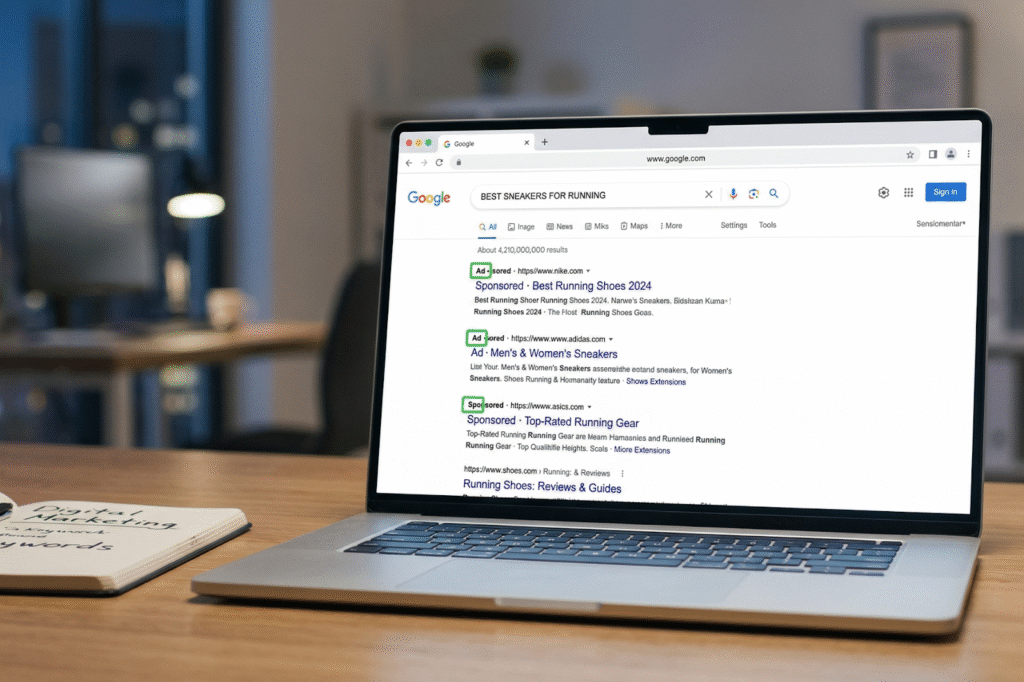
Google Ads are paid listings that appear at the top of search results. Businesses pay per click or per call.
They work well for home services because searches are high intent, customers want fast solutions, and calls are the main conversion.
What Google Ads Do Well
Google Ads can:
- generate leads quickly
- target specific services
- control service areas and hours
- test offers fast
Where Google Ads Go Wrong
Ads often fail because of:
- poor keyword targeting
- weak landing pages
- incorrect location settings
- no call or form tracking
Most owners don’t hate Google Ads. They hate Google Ads done badly.
SEO vs Google Ads in One Sentence
SEO is earned visibility that compounds over time. Google Ads is paid visibility that stops when spending stops.
Another way to think about it:
- SEO is building a house.
- Google Ads is renting an apartment.
SEO vs Google Ads for Home Services
Speed
- Google Ads: Fast. Leads can come in the same day.
- SEO: Slower. Early improvements may show in 8–16 weeks. Competitive markets can take 6–12 months.
Cost
- Ads: Costs rise quickly because you pay per click or call.
- SEO: Usually a stable monthly investment.
Ads are like paying for gas every trip. SEO is improving the engine so you go farther long term.
Trust
Organic results often feel more trustworthy, but ads still convert well, especially for emergencies and mobile searches. SEO also builds trust through reviews and local presence.
Control
Ads offer immediate control over budget and targeting. SEO takes longer to adjust but becomes steady once established.
Long-Term Value
- Ads stop when the budget stops.
- SEO builds a lasting asset that can keep producing leads.
Which Should a Home Service Business Do First?
A simple rule works best:
Start SEO immediately (at least the foundation), then use Google Ads based on how urgently leads are needed.
Scenario 1: You Need Leads This Week
Start with Google Ads, but fix the basics first.
Before running ads, make sure:
- the site works on mobile
- click-to-call is obvious
- service areas are clear
- landing pages match the ads
- call and form tracking are set up
Ads don’t fix weak marketing. They just send traffic faster.
When cash is tight, ads should focus on:
- 1–3 core money services
- high-intent keywords (“repair,” “replacement,” “emergency”)
- call-focused ads during business hours
Scenario 2: You Have Some Leads and Want Stability
Start with SEO.
Focus on:
- strong service pages
- Google Business Profile optimization
- reviews and trust signals
- helpful content
- consistent listings across the web
Clear and consistent often beats fancy.
Scenario 3: You’re in a Competitive City
Do both, but keep it focused.
- Run ads for a few high-intent services
- Build SEO around those same services
- Focus on specific service areas
- Collect reviews consistently
- Track conversions closely
The Local SEO Foundation Many Businesses Miss
Google Business Profile
An optimized profile helps with Maps and local results.
Key improvements:
- correct primary and secondary categories
- complete services list
- real photos
- clear business description
- regular posts and Q&A
Reviews
Reviews help rankings and conversions.
A simple system:
- ask after every job
- send a review link by text
- follow up once
- reply to all reviews
Citations and Consistency
Business name, address, and phone number should match everywhere online. Inconsistency weakens trust and rankings.
The Biggest Google Ads Mistake
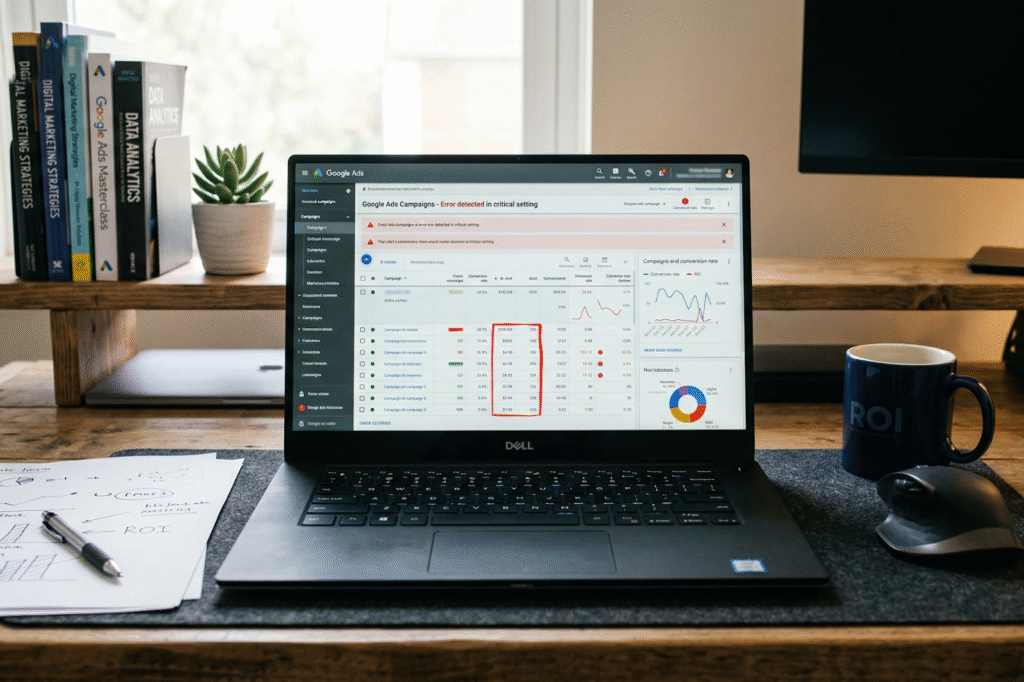
Sending paid traffic to the wrong page.
Bad setups include:
- homepage traffic
- slow pages
- no clear call-to-action
- pages that don’t match the keyword
What a Good Landing Page Includes
- clear headline (“Drain Cleaning in [City]”)
- trust proof (reviews, badges)
- benefits list
- service areas
- simple form
- visible click-to-call
- short FAQs
- real photos
Problem-based keywords often convert extremely well.
A Simple “Do This First” Plan
Step 1: Fix the Basics (Week 1)
- update contact info
- improve mobile experience
- add service pages
- set up tracking
Step 2: Build Local Trust (Weeks 2–6)
- optimize Google Business Profile
- clean up listings
- start collecting reviews
- add photos and Q&A
Step 3: Add One Growth Engine (Months 1–3)
- need leads now: Google Ads
- want long-term growth: SEO
Step 4: Stack the Second Engine (Month 3+)
So… SEO vs Google Ads?
- Need leads now: start with Google Ads after fixing the basics
- Want steady growth: start SEO immediately
- Competitive market: do both, but stay focused
Smart businesses don’t pick sides. They build systems.
How Home Service Rankers Can Help
Home Service Rankers helps home service businesses turn confusion into a clear plan that brings in leads.
They:
- build strong local SEO foundations
- create service pages that rank and convert
- run focused Google Ads without waste
- set up clear tracking and reporting
- improve visibility across local search channels
The goal is simple: more quality leads, more booked jobs, and a system that keeps working.
Frequently Asked Questions
What’s the difference between Google Ads and Google Local Services Ads (LSAs)?
Google Ads usually charges per click and offers more targeting and ad format options, while LSAs often charge per lead and show at the very top with badges like “Google Guaranteed.”
How much should a home service business spend on Google Ads to get results?
A common starting point is enough budget to collect meaningful data (clicks, calls, booked jobs) for at least a few weeks, then adjust based on cost per lead and close rate instead of guessing.
Can a business run Google Ads without a website?
Yes, some campaigns can drive calls from the ad itself or send traffic to a simple landing page, but having a solid website usually improves trust and lead quality.
Do Google Ads help SEO rankings directly?
No, paying for ads doesn’t directly boost organic rankings, but ad data can help identify high-converting keywords and messaging to use in SEO content